Teeth whitening has become one of the most sought-after cosmetic dental treatments worldwide. Among the many options available, whitening strips are widely used due to their convenience, affordability, and accessibility. However, a common question continues to trend: are whitening strips bad for your teeth?
The answer is not a simple yes or no. When used correctly, whitening strips can be safe and effective. However, misuse, overuse, or choosing low-quality products can lead to unwanted side effects such as tooth sensitivity and enamel damage.
This guide explores everything you need to know—backed by dental insights—so you can make informed decisions while protecting your oral health.
What Are Whitening Strips and How Do They Work?
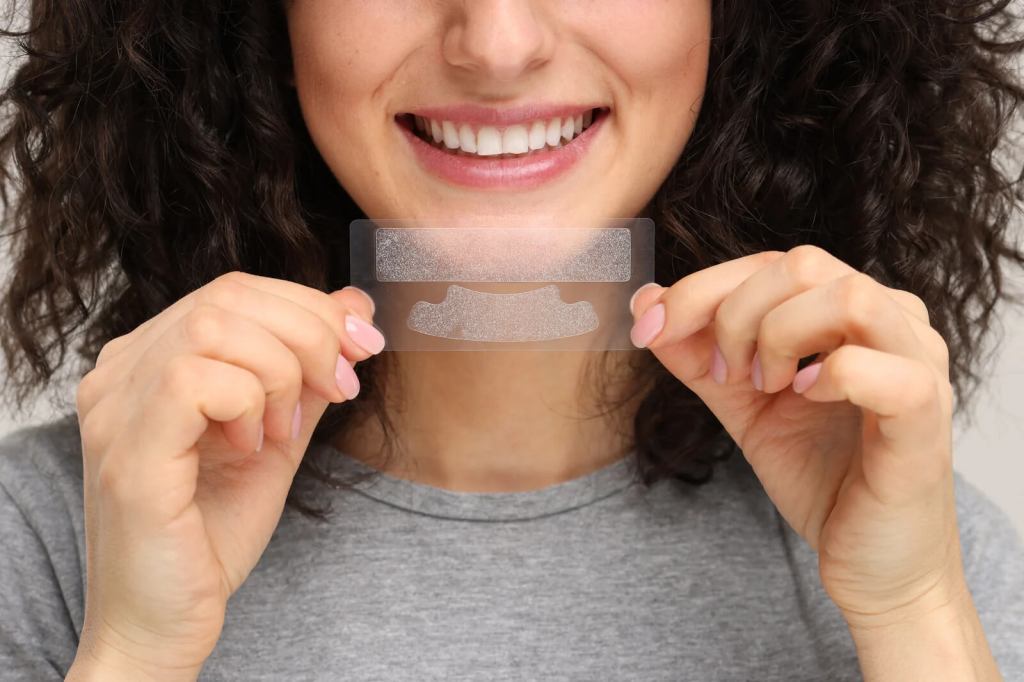
Whitening strips are thin, flexible plastic strips coated with a whitening gel. The active ingredient is typically hydrogen peroxide or carbamide peroxide, both of which are clinically proven to break down stains on the enamel.
How the Process Works:
- The peroxide penetrates the enamel surface
- It breaks down stain molecules through oxidation
- Teeth gradually appear whiter over repeated applications
Most whitening strips are designed for daily use over 7–14 days, depending on the product strength.
Are Whitening Strips Bad for Your Teeth?
In general, whitening strips are not inherently bad for your teeth when used as directed. In fact, many dentist-recommended products use similar active ingredients.
However, problems arise when:
- Instructions are not followed
- Products are overused
- Low-quality or unregulated brands are used
- Individuals with pre-existing dental issues use them without guidance
The Key Takeaway:
Whitening strips are safe when used responsibly, but misuse can lead to temporary or long-term dental concerns.
Potential Side Effects of Whitening Strips
Understanding the risks helps you avoid them. Below are the most common side effects associated with whitening strips:
1. Tooth Sensitivity
This is the most frequently reported issue. Peroxide can temporarily expose microscopic tubules in the dentin, leading to sensitivity—especially to cold foods or drinks.
Good news: This is usually temporary and subsides after treatment ends.
2. Gum Irritation
If the strips come into contact with your gums, the whitening gel may cause irritation or a mild burning sensation.
Prevention tip: Ensure proper placement and avoid overlapping onto gum tissue.
3. Enamel Damage (Rare but Possible)
Excessive or prolonged use can weaken enamel over time, especially with high-concentration peroxide products.
4. Uneven Whitening
If strips are not applied evenly or teeth are misaligned, results may appear patchy.
Who Should Avoid Whitening Strips?
Whitening strips are not suitable for everyone. You should avoid or consult a dentist if you have:
- Cavities or untreated tooth decay
- Gum disease or receding gums
- Dental restorations (crowns, veneers, fillings)
- Severe tooth sensitivity
- Very thin or weakened enamel
Additionally, whitening strips do not work on artificial dental materials.
Are Whitening Strips Safe Compared to Professional Whitening?
Whitening Strips
Pros:
- Affordable
- Easy to use at home
- Gradual whitening with minimal supervision
Cons:
- Lower peroxide concentration
- Slower results
- Higher risk of misuse
Professional Whitening (Dentist-Supervised)
Pros:
- Faster, more noticeable results
- Customised treatment
- Reduced risk of damage
Cons:
- Higher cost
- Requires dental visits
Verdict:
Whitening strips are a safe entry-level option, but professional whitening provides more controlled and predictable outcomes.
How to Use Whitening Strips Safely?
To ensure optimal results without harming your teeth, follow these best practices:
1. Follow Instructions Strictly
Do not exceed recommended usage time or frequency.
2. Avoid Overuse
Using strips more often than directed does not speed up results—it increases risk.
3. Maintain Oral Hygiene
Brush and floss regularly to support even whitening.
4. Use Sensitivity Toothpaste
Products designed for sensitive teeth can reduce discomfort during treatment.
5. Take Breaks Between Treatments
Allow your enamel time to recover before repeating whitening cycles.
Choosing High-Quality Whitening Strips Matters
Not all whitening strips are created equal. Choosing trusted, dentist-recommended products significantly reduces risks.
This is where The House of Mouth™ stands out.
As Australia’s leading Professional Whitening & Oral Care supplier, The House of Mouth provides access to the same products recommended and sold by dentists. With over 600+ products from 30+ trusted global brands, you can confidently select safe and effective whitening solutions.
Their commitment to quality ensures that consumers are not exposed to low-grade or harmful alternatives often found in unregulated markets.
For a deeper breakdown of safety considerations and product selection, visit this site.
Do Whitening Strips Damage Enamel?
This is one of the most searched concerns.
Scientific Perspective:
- Low-concentration peroxide (used correctly) does not permanently damage enamel
- Overuse or high concentrations can weaken enamel temporarily
Enamel does not regenerate, so protecting it is critical. This reinforces the importance of responsible usage and product quality.
How Long Do Results Last?
Whitening results are not permanent. Typically:
- Results last 3 to 6 months, depending on lifestyle
- Staining foods and drinks (coffee, wine, tobacco) reduce longevity
To Maintain Results:
- Limit staining substances
- Use whitening toothpaste
- Consider occasional touch-up treatments
Natural Alternatives Vs Whitening Strips
Many people explore “natural” whitening remedies such as baking soda or charcoal. However:
- These methods lack strong scientific backing
- Abrasive substances can wear down enamel
- Results are often minimal compared to peroxide-based treatments
Conclusion
Whitening strips remain one of the most effective non-professional whitening solutions available.
Final Verdict: Are Whitening Strips Bad for Your Teeth?
Whitening strips are not bad for your teeth when used correctly. They are a safe, accessible, and effective way to improve your smile at home.
However, the key to success lies in:
- Choosing high-quality, dentist-approved products
- Following instructions carefully
- Avoiding overuse
- Understanding your own dental condition
For those seeking reliable and professional-grade options, The House of Mouth™ offers a trusted solution backed by dental standards and global brands. Ultimately, whitening strips can deliver excellent results—provided you prioritise safety, quality, and informed usage.
 Tooth Jewellery