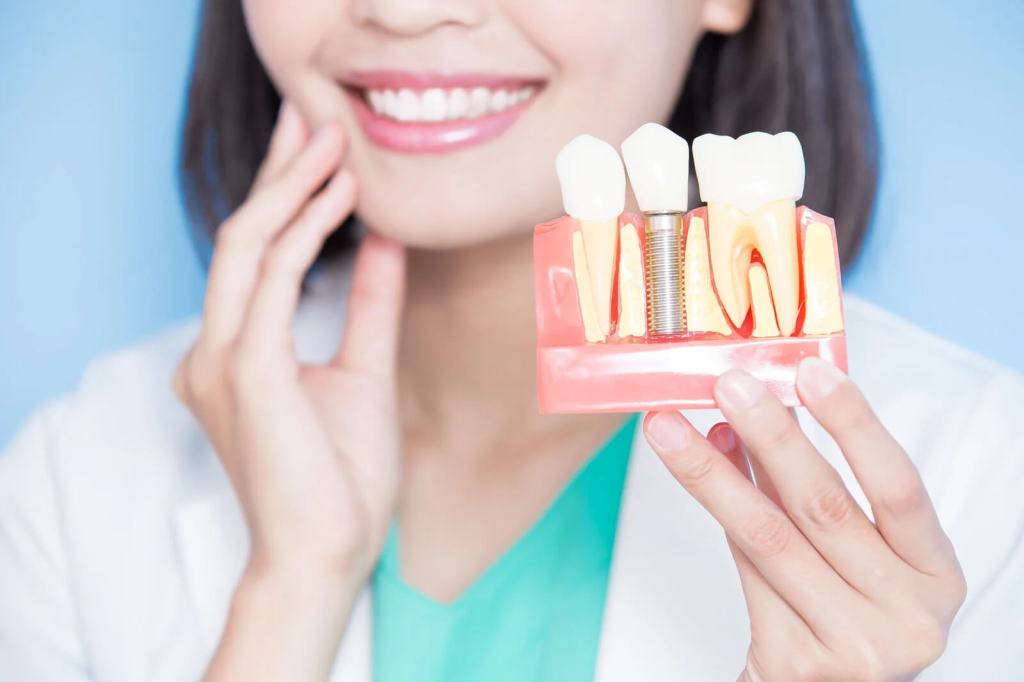
Tooth stains are one of the most common cosmetic dental concerns affecting people of all ages. While they are rarely harmful in themselves, discolouration can significantly impact confidence, personal presentation, and overall oral aesthetics. Understanding the science behind tooth stains, their causes, and the most effective ways to remove and prevent them is essential for maintaining a bright, healthy smile.
This guide explores the different types of tooth stains, the factors contributing to discolouration, professional and at-home treatment options, and how to choose dentist-recommended solutions for long-term results.
What Are Tooth Stains?
Tooth stains refer to any discolouration or darkening of the teeth. They may appear as:
- Yellowing
- Brown patches
- Grey or bluish tint
- White spots
- Surface marks
Tooth stains can develop gradually or appear suddenly, depending on the underlying cause.
Types of Tooth Stains
Understanding the type of tooth stain is crucial in determining the appropriate treatment.
1. Extrinsic Tooth Stains
Extrinsic tooth stains occur on the outer enamel surface. These are the most common and are typically caused by:
- Coffee and tea consumption
- Red wine
- Tobacco use
- Dark-coloured soft drinks
- Poor oral hygiene
Extrinsic tooth stains often respond well to professional cleaning or whitening treatments.
2. Intrinsic Tooth Stains
Intrinsic tooth stains develop within the inner structure of the tooth (dentine). Causes include:
- Trauma to the tooth
- Certain medications (e.g., tetracycline)
- Excess fluoride exposure during development
- Age-related enamel thinning
Intrinsic tooth stains are more complex and may require advanced whitening or restorative solutions.
3. Age-Related Tooth Stains
As enamel naturally thins over time, the underlying dentine becomes more visible, leading to yellowing. This process is gradual and often compounded by lifestyle factors.
Common Causes of Tooth Stains
To effectively manage tooth stains, it is important to identify contributing factors.
Dietary Habits
Highly pigmented foods and beverages contain chromogens that attach to enamel. Frequent exposure increases staining risk.
Tobacco Use
Nicotine and tar leave persistent brown or yellow stains that are difficult to remove without professional intervention.
Inadequate Oral Hygiene
Irregular brushing and flossing allow plaque accumulation, which contributes to visible tooth stains.
Medication and Medical Conditions
Certain antibiotics and medical treatments can alter tooth colour.
Trauma
Injury may cause internal bleeding within the tooth, leading to intrinsic discolouration.
Are Tooth Stains Permanent?
Not all tooth stains are permanent. The reversibility depends on:
- The type of stain
- Duration of staining
- Enamel condition
- Treatment method used
Extrinsic tooth stains are typically reversible with appropriate cleaning and whitening, while intrinsic stains may require more advanced treatment.
How to Remove Tooth Stains
1. Professional Dental Cleaning
Routine professional cleaning removes plaque, tartar, and surface stains. It is often the first step in addressing tooth stains.
2. Professional Teeth Whitening
Dentist-supervised whitening treatments use higher-concentration whitening agents for effective stain removal.
3. At-Home Whitening Kits
Professional-grade at-home kits offer safe and gradual improvement when used correctly.
4. Whitening Toothpastes
These contain mild abrasives to remove surface tooth stains but are less effective for deeper discolouration.
5. Veneers or Bonding
For severe intrinsic tooth stains, cosmetic restorations may provide long-lasting aesthetic improvement.
Preventing Tooth Stains
Prevention remains the most effective strategy.
Maintain Proper Oral Hygiene
Brush twice daily and floss regularly.
Limit Staining Foods and Beverages
Rinse with water after consuming pigmented drinks.
Use a Straw
Minimises direct contact with enamel.
Avoid Smoking
Tobacco significantly accelerates tooth stains.
Regular Dental Visits
Professional cleaning prevents stain buildup.
Choosing Safe Whitening Products
Not all whitening products are created equal. Safety, formulation quality, and professional endorsement matter.
The House of Mouth™ is Australia’s leading Professional Whitening & Oral Care supplier. They provide consumers with the same products recommended and sold by dentists. With over 600 products from 30+ of the world’s most trusted oral care and teeth whitening brands, The House of Mouth ensures access to professional-grade solutions.
For targeted options specifically addressing tooth stains, you can visit this site.
Easy online ordering, delivery to your door, or Click n Collect from their Gold Coast Studio ensures convenient access to trusted whitening solutions.
Natural Remedies for Tooth Stains: Do They Work?
Common home remedies include:
- Baking soda
- Activated charcoal
- Oil pulling
- Hydrogen peroxide rinses
While some may provide minor surface improvements, they often lack scientific backing and may damage enamel if misused. Professional products are safer and more effective.
Tooth Stains and Enamel Health
Enamel is the protective outer layer of the tooth. Overuse of abrasive whitening methods can erode enamel, worsening discolouration over time.
Choosing dentist-recommended products ensures:
- Balanced whitening agents
- Enamel-safe formulas
- Reduced sensitivity
- Gradual, predictable results
Addressing Sensitivity During Whitening
Sensitivity is a common concern when treating tooth stains. To minimise discomfort:
- Use desensitising toothpaste
- Follow manufacturer instructions carefully
- Avoid overuse of whitening products
- Consult a dental professional if discomfort persists
How Long Does It Take to Remove Tooth Stains?
Results vary depending on treatment type:
- Professional whitening: noticeable improvement within one session
- At-home kits: visible results within 1–2 weeks
- Whitening toothpaste: gradual improvement over several weeks
Consistency and correct application are key.
Tooth Stains in Children and Teenagers
Tooth stains in younger individuals may result from:
- Fluorosis
- Medication exposure
- Poor hygiene
- Diet
Early evaluation ensures appropriate intervention and prevents long-term aesthetic concerns.
Frequently Asked Questions
What causes yellow tooth stains?
Yellowing is typically due to enamel thinning or extrinsic staining from food and beverages.
Can tooth stains be completely removed?
Many surface stains can be removed entirely. Deep intrinsic stains may require cosmetic solutions.
Are whitening strips safe?
Dentist-recommended whitening strips are generally safe when used as directed.
How often can I whiten my teeth?
Frequency depends on product strength. Professional guidance ensures safe intervals.
Do whitening products damage enamel?
When used properly and professionally formulated, they are safe and enamel-friendly.
The Long-Term Approach to Managing Tooth Stains
Managing tooth stains is not a one-time solution but an ongoing process. Maintaining results requires:
- Good oral hygiene
- Periodic professional cleaning
- Responsible whitening product use
- Lifestyle moderation
Investing in quality oral care products significantly enhances long-term outcomes.
Conclusion
Tooth stains are common, but they do not have to be permanent. By understanding the type of stain, selecting appropriate treatment, and prioritising enamel health, you can achieve noticeable and lasting improvements.
Whether addressing surface discolouration or deeper intrinsic staining, professional-grade solutions provide safe and effective results. The House of Mouth™ offers dentist-trusted whitening and oral care products to help Australians manage tooth stains confidently and conveniently.
A brighter smile begins with informed decisions and trusted products — and with the right approach, tooth stains can be effectively reduced or eliminated.
 Tooth Jewellery