Plaque buildup is one of the most common—and most misunderstood—oral health problems affecting people of all ages. While it starts as a nearly invisible film on your teeth, unmanaged plaque buildup can quickly progress into serious dental issues, including cavities, gum disease, and persistent bad breath.
As oral health awareness continues to trend on Google, understanding plaque buildup has become essential—not just for maintaining a confident smile, but for protecting long-term dental and overall health. This comprehensive guide explains exactly what plaque buildup is, why it forms, the risks it poses, and how to remove and prevent it effectively using dentist-recommended solutions.
What Is Plaque Buildup?
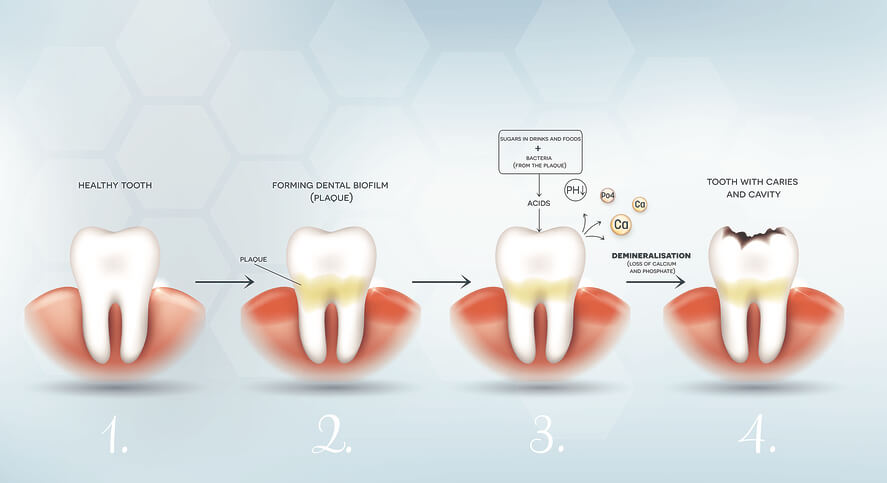
Plaque buildup is a sticky, colourless biofilm composed of bacteria, saliva, and food particles that constantly forms on the teeth and along the gumline. After eating or drinking—especially sugary or starchy foods—bacteria in plaque produce acids that attack tooth enamel.
If plaque buildup is not removed daily through proper oral hygiene, it hardens into tartar (calculus), which can only be removed by a dental professional.
Why Plaque Buildup Happens
Plaque buildup forms naturally, but several factors accelerate its development.
Poor Oral Hygiene
Inconsistent brushing and flossing allow plaque to accumulate and harden.
Diet High in Sugar and Starches
Sugary drinks, snacks, and refined carbohydrates fuel plaque-causing bacteria.
Dry Mouth
Reduced saliva flow limits the mouth’s natural ability to wash away bacteria.
Smoking and Vaping
Tobacco products increase plaque adhesion and reduce gum health.
Crowded or Misaligned Teeth
Hard-to-reach areas make plaque buildup more difficult to remove.
The Difference Between Plaque and Tartar
Understanding this distinction is critical for prevention.
- Plaque is soft, sticky, and removable with daily brushing and flossing.
- Tartar is hardened plaque that bonds to teeth and requires professional removal.
Once plaque buildup turns into tartar, home care alone is no longer sufficient.
Health Risks of Untreated Plaque Buildup
Ignoring plaque buildup doesn’t just affect your smile—it can lead to serious oral health complications.
Tooth Decay
Plaque acids erode enamel, leading to cavities and sensitivity.
Gum Disease (Gingivitis and Periodontitis)
Plaque buildup along the gumline causes inflammation, bleeding, and gum recession.
Persistent Bad Breath
Bacteria trapped in plaque release sulphur compounds that cause halitosis.
Tooth Loss
Advanced gum disease linked to plaque buildup can destroy supporting bone and tissue.
Systemic Health Links
Research has associated chronic oral inflammation with heart disease, diabetes, and respiratory issues.
Common Signs of Plaque Buildup
Many people don’t realise they have plaque buildup until symptoms appear.
- Fuzzy or sticky feeling on teeth
- Yellow or white film near the gumline
- Bleeding gums when brushing or flossing
- Red, swollen, or tender gums
- Ongoing bad breath
Early detection makes plaque buildup significantly easier to manage.
How to Remove Plaque Buildup at Home?
Daily oral hygiene is your first line of defence.
Brush Correctly (Not Aggressively)
Brush twice daily for at least two minutes using a soft-bristled toothbrush. Focus on the gumline, where plaque buildup often begins.
Floss Daily
Flossing removes plaque buildup between teeth—areas your toothbrush cannot reach.
Use Dentist-Recommended Toothpaste
Look for toothpaste containing fluoride or antibacterial agents that actively combat plaque buildup.
Incorporate Antibacterial Mouthwash
Mouthwash helps reduce plaque-forming bacteria and supports gum health.
Clean Your Tongue
Bacteria on the tongue contribute to plaque buildup and bad breath.
Professional Solutions for Plaque Buildup
Even with excellent home care, professional support plays a vital role.
Regular Dental Cleans
Routine cleans remove hardened plaque and tartar safely and thoroughly.
Targeted Oral Care Products
Dentist-approved tools such as interdental brushes, plaque-control rinses, and specialised toothpaste provide enhanced protection.
Trusted Oral Care Products from The House of Mouth
The House of Mouth™ is Australia’s leading Professional Whitening & Oral Care supplier, offering consumers the same products recommended and sold by dentists.
With over 600+ products from 30+ of the world’s most trusted oral care and teeth whitening brands, The House of Mouth makes professional-grade oral care accessible at home. Customers enjoy easy online ordering with delivery straight to their door or Click n Collect from the Gold Coast Studio.
If you’re specifically addressing plaque buildup, you can explore expertly curated solutions on this site.
You trust your dentist—and that’s exactly why you can trust The House of Mouth.
Best Oral Care Products for Plaque Buildup
When selecting products to manage plaque buildup, look for:
- Fluoride toothpaste for enamel protection
- Antibacterial toothpaste for plaque control
- Interdental brushes for tight spaces
- Alcohol-free mouthwash to reduce bacteria without dryness
- Electric toothbrushes with plaque-removal modes
Professional-grade products often deliver noticeably better results than supermarket alternatives.
Plaque Buildup in Children and Teens
Plaque buildup affects all ages, including children. Sugary snacks, inconsistent brushing, and orthodontic appliances can increase risk.
Early education, age-appropriate tools, and parental supervision play a key role in preventing long-term dental problems.
Plaque Buildup and Whitening Treatments
Plaque buildup can reduce the effectiveness of whitening treatments by blocking whitening agents from contacting enamel. Removing plaque buildup first ensures:
- More even whitening results
- Reduced sensitivity
- Longer-lasting brightness
Professional oral care products help maintain results after whitening.
Can Diet Help Reduce Plaque Buildup?
Yes—diet plays a major role.
Foods that help:
- Crunchy fruits and vegetables (apples, carrots, celery)
- Cheese and yoghurt (support enamel strength)
- Water (rinses bacteria and acids)
Foods to limit:
- Sugary drinks
- Sticky snacks
- Frequent grazing between meals
How Often Should Plaque Buildup Be Checked?
Dental professionals recommend:
- Daily home care
- Six-monthly dental check-ups and cleans
- Earlier intervention if gum bleeding or sensitivity occurs
Consistent monitoring prevents minor plaque buildup from becoming a major issue.
FAQs
Is plaque buildup normal?
Yes, plaque forms constantly. The key is removing it daily before it hardens.
Can plaque buildup be completely prevented?
While plaque can’t be stopped from forming, effective oral hygiene prevents buildup and damage.
Does plaque buildup cause bad breath?
Yes. Bacteria in plaque release odour-causing compounds.
Can mouthwash replace brushing?
No. Mouthwash supports plaque control but cannot replace mechanical cleaning.
Final Thoughts
Plaque buildup may start small, but its impact can be significant if ignored. The good news is that with proper daily care, informed product choices, and professional support, plaque buildup is entirely manageable.
By using dentist-recommended products and maintaining consistent oral hygiene, you protect not only your smile but your overall health. Trusted suppliers like The House of Mouth make professional-grade plaque control accessible—helping Australians take confident control of their oral health every day.
 Tooth Jewellery