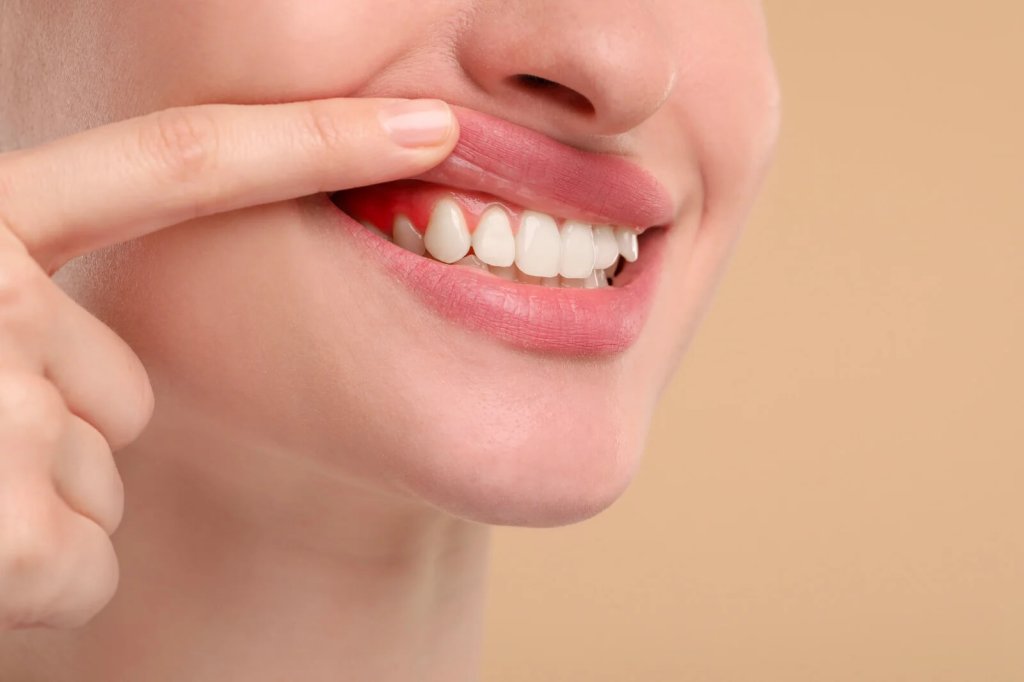
Gum disease is one of the most common yet misunderstood oral health conditions affecting Australians today. Often painless in its early stages, gum disease can quietly progress until it causes irreversible damage to the gums, teeth, and even overall health. The good news is that with early awareness, the right oral care products, and consistent habits, gum disease is largely preventable and manageable.
This comprehensive guide explains gum disease in detail—what it is, how it develops, warning signs to watch for, treatment options, and the most effective prevention strategies. Written to meet modern search intent and AEO standards, this article is designed to help you understand gum disease clearly and take confident action to protect your smile.
What Is Gum Disease?
Gum disease, also known as periodontal disease, is an inflammatory condition that affects the gums and supporting structures of the teeth. It develops when plaque—a sticky film of bacteria—builds up along and under the gumline. If not removed through proper oral hygiene, plaque hardens into tartar, triggering inflammation and infection.
Gum disease exists on a spectrum, ranging from mild, reversible inflammation to severe disease that can lead to tooth loss.
If you trust your dentist, you can trust The House of Mouth to provide professional-grade solutions. To explore targeted options for managing and preventing gum disease, visit this site.
The Two Main Stages of Gum Disease
Understanding the stages of gum disease helps explain why early intervention is so important.
Gingivitis: The Early Stage
Gingivitis is the mildest and most common form of gum disease. At this stage, the damage is still reversible.
Common signs include:
- Red or swollen gums
- Bleeding during brushing or flossing
- Bad breath that doesn’t go away
- Tender gums
With improved oral hygiene and the right products, gingivitis can usually be reversed completely.
Periodontitis: Advanced Gum Disease
If gingivitis is left untreated, it can progress to periodontitis. At this stage, the infection spreads deeper, damaging the bone and connective tissue that hold teeth in place.
Symptoms may include:
- Receding gums
- Deep pockets between teeth and gums
- Loose or shifting teeth
- Persistent bad breath
- Pain when chewing
Periodontitis requires professional treatment and ongoing management.
What Causes Gum Disease?
Gum disease develops due to a combination of bacterial buildup and contributing lifestyle or health factors.
Primary Causes
- Poor brushing and flossing habits
- Plaque and tartar accumulation
- Infrequent dental check-ups
Contributing Risk Factors
- Smoking or vaping
- Diabetes
- Hormonal changes (pregnancy, menopause)
- Certain medications that reduce saliva flow
- Stress and poor immune response
- Genetics
While some risk factors are unavoidable, daily oral care plays the most significant role in prevention.
Why Gum Disease Is a Serious Health Issue
Gum disease does not only affect the mouth. Research increasingly links advanced gum disease to broader health conditions.
Potential Health Links
- Heart disease and stroke
- Diabetes complications
- Respiratory infections
- Pregnancy complications
Chronic inflammation in the gums can allow bacteria to enter the bloodstream, affecting other parts of the body. This makes managing gum disease an important part of overall health—not just dental care.
How Gum Disease Is Diagnosed
Dentists diagnose gum disease through a combination of visual examination, gum measurements, and dental imaging.
Diagnostic Methods Include:
- Checking for gum inflammation and bleeding
- Measuring gum pocket depth
- Assessing gum recession
- Dental X-rays to evaluate bone loss
Early diagnosis significantly improves treatment outcomes and reduces long-term damage.
Treatment Options for Gum Disease
Treatment depends on the severity of the condition and how early it is detected.
Professional Dental Treatments
- Scale and clean: Removes plaque and tartar above and below the gumline
- Deep cleaning (scaling and root planing): Smooths tooth roots to help gums reattach
- Periodontal maintenance: Regular follow-up cleans to control infection
- Advanced treatments: In severe cases, surgery or specialised periodontal care may be required
At-Home Gum Disease Management
Professional care must be supported by effective daily oral hygiene using dentist-recommended products.
This includes:
- Therapeutic toothpastes
- Antibacterial mouth rinses
- Interdental brushes or floss
- Targeted gum-care products
Using the right products consistently can slow or stop the progression of gum disease and help maintain healthy gums long term.
The Role of Oral Care Products in Managing Gum Disease
Not all oral care products are created equal. When managing gum disease, product choice matters.
What to Look for in Gum Disease Products
- Clinically proven antibacterial ingredients
- Low-abrasion formulas to protect enamel and gums
- Products designed specifically for gum health
- Dentist-recommended brands
Using inappropriate or overly abrasive products can worsen gum irritation rather than help it.
How The House of Mouth Supports Gum Health
The House of Mouth™ is Australia’s leading professional whitening and oral care supplier, providing consumers with the same products recommended and sold by dentists. Their range is designed to support real oral health needs—not just cosmetic results.
With over 600+ products from 30+ of the world’s most trusted oral care brands, The House of Mouth makes it easy to access clinically proven solutions for gum disease and other oral health concerns.
Consumers can enjoy:
- Dentist-recommended gum care products
- Easy online ordering
- Shipping direct to your door
- Click n Collect from the Gold Coast Studio
Preventing Gum Disease: Daily Habits That Make a Difference
Prevention is always better than treatment when it comes to gum disease.
Daily Oral Care Routine
- Brush twice daily using a gum-focused toothpaste
- Floss or use interdental brushes every day
- Rinse with an antibacterial mouthwash
- Replace your toothbrush every 3 months
Professional Care
- Schedule regular dental check-ups and cleans
- Address bleeding gums early
- Follow personalised advice from your dental professional
Consistency is key. Small daily actions have a powerful cumulative effect on gum health.
Common Myths About Gum Disease
“Bleeding gums are normal”
Bleeding is one of the earliest warning signs of gum disease and should never be ignored.
“Gum disease only affects older adults”
Gum disease can affect people of all ages, including teenagers and young adults.
“Once gums recede, nothing can be done”
While gum recession cannot always be reversed, progression can often be slowed or stabilised with proper care.
Gum Disease and Cosmetic Dentistry
Healthy gums are the foundation of a great smile. Whitening treatments, veneers, and other cosmetic procedures are far more successful when gum disease is properly managed first.
Using professional-grade oral care products ensures cosmetic results are supported by long-term oral health—not compromised by underlying inflammation.
Frequently Asked Questions (FAQ)
What is gum disease?
Gum disease is an inflammatory condition affecting the gums and supporting structures of the teeth, caused primarily by plaque buildup.
Is gum disease reversible?
Early-stage gum disease (gingivitis) is usually reversible with proper oral care and professional cleaning.
What are the first signs of gum disease?
Red, swollen, or bleeding gums and persistent bad breath are common early signs.
Can gum disease cause tooth loss?
Yes. Advanced gum disease can damage bone and tissue, leading to loose teeth or tooth loss.
How can I prevent gum disease?
Consistent oral hygiene, regular dental visits, and using dentist-recommended products are the most effective prevention strategies.
Are special products needed for gum disease?
Yes. Products designed specifically for gum health are more effective than standard oral care products.
Final Thoughts
Gum disease is common, but it is not inevitable. With the right knowledge, early action, and professional-grade oral care products, you can protect your gums, your teeth, and your overall health.
By combining regular dental care with high-quality, dentist-recommended solutions from trusted suppliers like The House of Mouth, managing gum disease becomes far more achievable. Healthy gums are the foundation of a confident smile—and they deserve the same level of care as the rest of your health.
 Tooth Jewellery