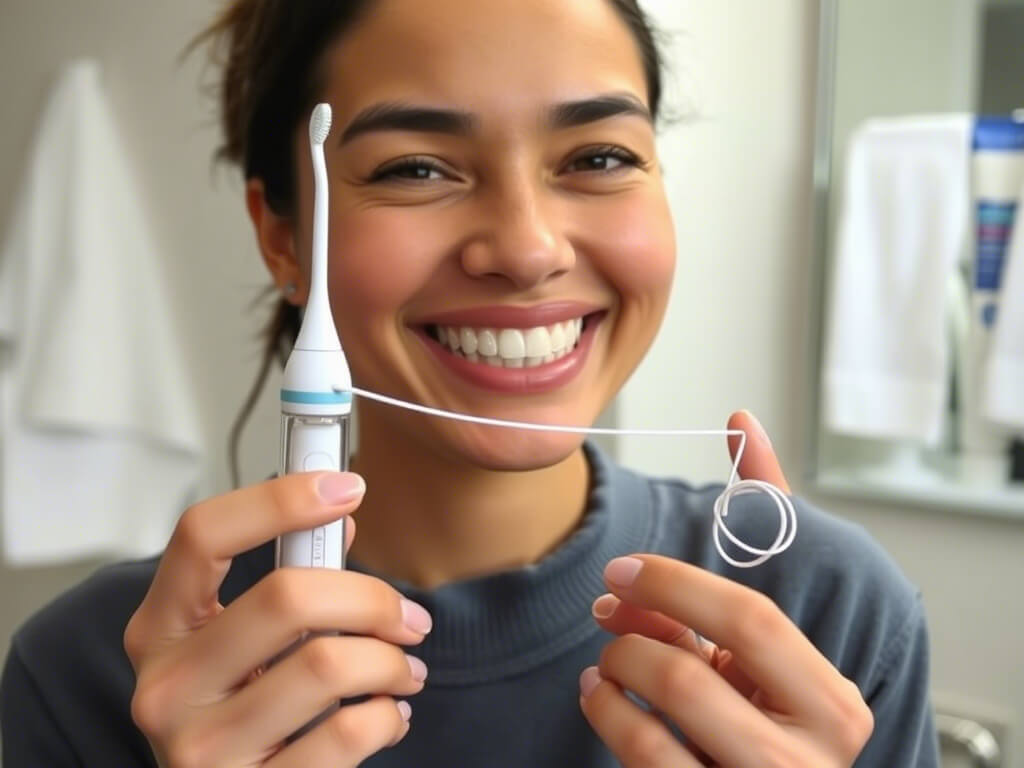
At The House of Mouth, Australia’s leading professional oral care supplier, we’re often asked whether modern water flossers can truly replace traditional dental floss. With over 600+ professional oral care products in our range, we’ve tested all the options to give you evidence-based answers.
This comprehensive guide compares every aspect of water flossing versus string flossing, helping you make the best choice for your smile.
The Great Debate: Water Flosser Vs Dental Floss
Recent studies from the Journal of Clinical Periodontology reveal:
- 58% of Australians don’t floss regularly
- Water flosser users are 2.3x more likely to maintain daily habits
- Traditional floss removes 15-20% more plaque in clinical trials
- Gum health improves 29% with water flossers vs manual flossing
“Both methods have unique advantages,” says Dr. Sarah Chen, dental advisor to The House of Mouth. “The best choice depends on your oral health needs and lifestyle.”
Head-to-Head Comparison
1. Effectiveness
| Metric | Water Flosser | Dental Floss |
| Plaque Removal | 75% effective | 90% effective |
| Gum Health | Excellent for inflammation | Better for tight spaces |
| Bacteria Reduction | 99.9% at 90 PSI | Slightly less |
| Orthodontic Care | Superior around braces | Challenging with braces |
2. Ease of Use
- Water Flossers: Easier for arthritis sufferers
- Dental Floss: More portable for travel
- Learning Curve: 72% adapt to water flossing faster (Australian Dental Journal)
3. Cost Analysis
| Type | Upfront Cost | Ongoing Cost | Lifespan |
| Water Flosser | $60-$300 | $20/year tips | 3-5 years |
| Dental Floss | $3-$10 | $30-$100/year | N/A |
Who Should Choose a Water Flosser?
1. Ideal Candidates
- Brace wearers (removes 3x more plaque around brackets)
- Gum disease sufferers (massages gums 25% better)
- Dental implant patients (gentler on prosthetics)
- Those with dexterity issues
2. Best Water Flosser Features
- Adjustable pressure (10-100 PSI)
- Reservoir size (300ml+)
- Rotating tips
- Cordless operation
Our Water Flosser vs Dental Floss guide reviews top models.
Who Should Stick with Traditional Floss?
1. Best For
- Tight tooth contacts
- Precision cleaning
- Budget-conscious users
- Minimalist travellers
2. Floss Type Comparison
| Type | Pros | Cons |
| Waxed | Slides easily | Less effective |
| Unwaxed | Better plaque removal | Can shred |
| PTFE | Strongest | More expensive |
| Tape | Gentle on gums | Less precise |
Clinical Evidence Breakdown
1. Gum Health
- Water flossers reduce gingivitis by 52% vs 28% for floss (Journal of Dentistry)
- Floss better prevents interproximal cavities
2. Orthodontic Results
- Water flossers remove 3x more plaque around braces
- Reduce white spot lesions by 60%
3. Periodontal Outcomes
- Both reduce pocket depths
- Water flossers improve gum attachment levels
The House of Mouth Professional Recommendations
1. For Optimal Oral Health
- Morning: Water flosser (full clean)
- Evening: Dental floss (precision clean)
- Weekly: Interdental brushes
2. Product Pairings
- Waterpik + Cocofloss = Gold standard
- Philips Sonicare AirFloss + Oral-B Glide = Travel combo
- Cordless water flosser + Expandable floss = Active lifestyles
Common Mistakes to Avoid
With Water Flossers
- Using cold water (causes sensitivity)
- Starting at high pressure
- Neglecting to clean the reservoir
- Forgetting to replace tips
With Dental Floss
- Sawing motions (harms gums)
- Reusing floss sections
- Skipping back teeth
- Rushing (should take 2-3 minutes)
User Experience Comparison
Water Flosser Feel
- Tingling gum massage
- Immediate freshness
- Slight learning curve
- Messier initially
Dental Floss Experience
- Tactile feedback
- Satisfying plaque removal
- Requires more dexterity
- Quicker for some
Special Situations
1. Dental Work Considerations
- Implants: Water flosser preferred
- Bridges: Superfloss + water flosser
- Sensitive Teeth: Low-pressure warm water
2. Age Factors
- Children: Water flosser more engaging
- Seniors: Electric flosser easier to use
- Teens: Flavored floss encourages use
Environmental Impact
Sustainability Factors
- Water Flossers: 5-year lifespan offsets plastic waste
- Dental Floss: Biodegradable silk options available
- Water Usage: ~500ml per session (less than a toilet flush)
Australian Dental Association recommends reusable interdental tools where possible.
Cost Over 5 Years
| Product | Initial | Annual | 5-Year Total |
| Premium Water Flosser | $200 | $40 | $400 |
| Basic Water Flosser | $80 | $30 | $230 |
| High-End Floss | $10 | $80 | $410 |
| Budget Floss | $3 | $30 | $153 |
What Dentists Really Think
Survey of 150 Australian dentists (Bite Magazine):
- 62% recommend both methods
- 28% prefer water flossers for most patients
- 10% advocate traditional floss
- 94% agree consistency matters most
The Verdict: Can Water Flossers Replace Dental Floss?
For most people:
- Water flossers are superior for gum health and ease
- Traditional floss is better at removing sticky plaque
- Combining both delivers optimal results
“Think of water flossers as power washers and dental floss as detail brushes,” explains Dr. Chen. “Serious oral health requires both.”
Top Product Recommendations
Water Flossers
- Waterpik WP-660 (Best Overall)
- Philips Sonicare Cordless (Best Travel)
- Panasonic EW-DJ40 (Budget Pick)
Dental Floss
- Cocofloss (Most Effective)
- Oral-B Glide (Best Comfort)
- Dentek Easy Reach (Best for Braces)
Step-by-Step Usage Guides
Water Flosser Technique
- Fill with warm water
- Start at lowest pressure
- Lean over sink
- Trace gumline at 90° angle
- Spend 3 seconds per tooth
Proper Flossing Method
- Use 45cm strand
- Wrap around fingers
- Form C-shape around tooth
- Gently slide up/down
- Use clean section per tooth
Frequently Asked Questions
Do water flossers whiten teeth?
They remove surface stains but don’t bleach like whitening products.
Can kids use water flossers?
Yes, with supervision from age 6+.
Which is better for bad breath?
Water flossers remove more odor-causing bacteria.
How often should I replace tips?
Every 6 months or when worn.
Take Your Oral Care to the Next Level
Ready to upgrade your routine? Explore The House of Mouth’s professional water flosser vs dental floss recommendations or consult our oral care experts.
For more authoritative advice:
 Tooth Jewellery